Finding a caveat on a property title can be confusing, especially if you are buying or selling a property in NSW.
A caveat is a legal notice recorded on the title of a property. It generally means that a person or organisation claims an interest in the property and wants to prevent certain dealings with that property until their claim is addressed.
A caveat does not necessarily mean that the person lodging it owns the property. It also does not automatically mean that something is wrong with the property.
However, a caveat can affect a property transaction and may delay a sale or settlement if the issue is not dealt with properly.
If you are buying a property with a caveat, selling a property where someone has lodged a caveat, or have discovered a caveat on your own title, it is important to understand what it means before taking the next step.
What is a caveat on a property?
A caveat is a formal notice placed on a property’s title to indicate that the person lodging it claims an interest in the land.
The word “caveat” comes from the idea of a warning or notice. In property transactions, it essentially tells the relevant land titles authority that the person lodging the caveat claims an interest that should be considered before certain dealings are registered.
In NSW, caveats are dealt with through the land titles system administered by NSW Land Registry Services.
A caveat can be lodged by someone who claims a legal or equitable interest in the property. The exact rights involved depend on the circumstances and the legal basis for the claim.
For example, a person may claim an interest because they:
- Have contributed money towards purchasing the property
- Have an agreement relating to the property
- Have a beneficial interest
- Have an interest arising from a trust
- Have another recognised interest in the land
A caveat is therefore not simply a note saying that someone has a disagreement with the property owner. The person lodging it generally needs to have a recognised interest capable of supporting a caveat.
Does a caveat mean someone owns the property?
No.
This is one of the most common misunderstandings about caveats.
A caveat does not automatically make the person who lodged it an owner of the property.
Instead, it indicates that the caveator claims an interest in the land.
For example, imagine that a person contributes a substantial amount of money towards the purchase of a property but is not registered as an owner. Depending on the circumstances, they may claim that they have an interest in the property.
If a caveat is lodged based on that claimed interest, the registered owner may still remain the registered owner.
The caveat and the ownership shown on the title are two different things.
Why would someone lodge a caveat?
There can be different reasons for lodging a caveat.
Some common situations include:
A financial contribution to the property
A person may claim an interest after contributing money towards the purchase or improvement of a property.
A property agreement
Someone may claim an interest based on an agreement or arrangement involving the property.
A trust arrangement
A person may claim a beneficial interest in property held in another person’s name.
A dispute over ownership
A disagreement can sometimes lead to a person claiming that they have an interest that should be protected.
A contractual or equitable interest
Certain contractual arrangements may give a person an interest capable of supporting a caveat.
The important point is that the reason for the caveat matters. You should not assume that every caveat is based on the same type of claim.
What happens when a caveat is lodged?
A caveat can affect how dealings with the property are processed.
The practical effect depends on the type of caveat and the interest claimed.
A caveat may prevent or delay the registration of certain dealings unless the caveator consents, the caveat is withdrawn, it lapses, or another legal process allows the dealing to proceed.
This can become particularly important when a property is being sold.
For example, if a seller has agreed to sell a property but a caveat has been lodged against the title, the conveyancing process may need to address the caveat before settlement can proceed smoothly.
The exact effect should be assessed based on the caveat and the proposed transaction.
Can you sell a property with a caveat in NSW?
A property with a caveat can potentially be sold, but the caveat may create complications that need to be resolved as part of the transaction.
A seller should not assume that a caveat will simply disappear when the property is sold.
If you are preparing to sell and discover a caveat on your title, find out:
- Who lodged the caveat?
- What interest do they claim?
- When was it lodged?
- What dealing is being affected?
- Can the caveat be withdrawn?
- Does the caveator need to consent to the proposed transaction?
- Could the caveat affect settlement?
The earlier the issue is identified, the more time there may be to address it before settlement.
Can you buy a property with a caveat?
Buying a property with a caveat requires care.
A caveat may indicate that another person claims an interest in the property. That does not automatically mean that the buyer cannot purchase the property, but the underlying claim should be understood before proceeding.
For a buyer, some important questions are:
- Why has the caveat been lodged?
- Who lodged it?
- What interest are they claiming?
- Does the caveat affect the proposed sale?
- Can it be withdrawn before settlement?
- Is the seller required to deal with the caveat?
- Could the caveat create a settlement problem?
If you discover a caveat during your contract or title review, discuss it with your conveyancer before exchanging contracts.
Can a caveat stop a property sale?
A caveat can potentially interfere with a property transaction, but the answer depends on the specific caveat and the circumstances.
A caveat is designed to protect a claimed interest in land. It can restrict the registration of certain dealings affecting the property.
This means a caveat may become a significant issue when the owner wants to transfer the property to a buyer.
However, it is not accurate to say that every caveat permanently stops a sale.
The caveat may be:
- Withdrawn by the caveator
- Dealt with through consent
- Challenged
- Allowed to lapse in certain circumstances
- Addressed through another legal process
The correct approach depends on the nature of the claim and the relevant documents.
What is the difference between a caveat and a mortgage?
A mortgage and a caveat are not the same thing.
A mortgage is a registered security interest generally held by a lender to secure repayment of a loan.
A caveat is a notice that someone claims an interest in the land and seeks to prevent certain dealings from being registered without their claim being addressed.
For example:
Mortgage: A bank lends you money to buy your home and registers a mortgage over the property.
Caveat: Another person claims that they have an interest in the property and lodges a caveat to protect that claimed interest.
Both can appear in title information, but they serve different purposes.
What is the difference between a caveat and an easement?
A caveat and an easement also have very different functions.
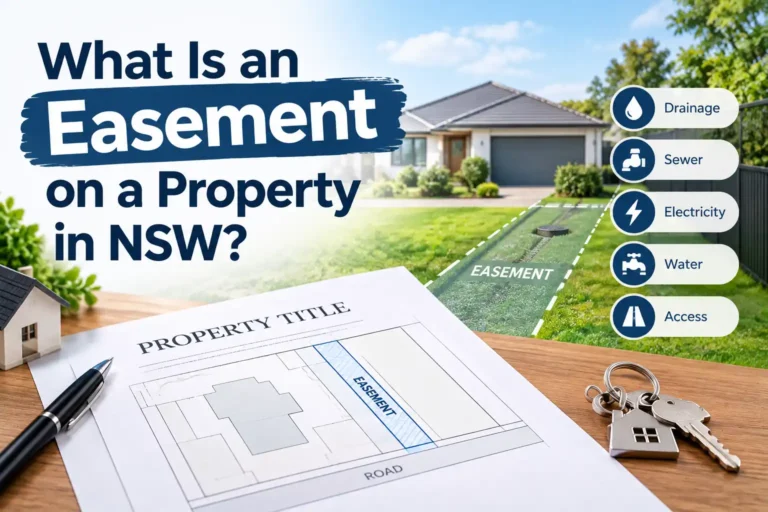
An easement generally creates a specific right over land, such as a right of way or a right relating to drainage or infrastructure.
A caveat is a notice protecting a claimed interest in land and can restrict certain dealings with the property.
For example, an easement might give a neighbouring property owner a right to use a driveway across part of your property.
A caveat, on the other hand, might be lodged by someone claiming that they have an interest in the property itself.
Understanding this difference is important when reviewing a property title.
How do you find out if a property has a caveat?
The best place to start is the property’s title information.
A title search can reveal registered interests and dealings affecting the property. If a caveat has been registered, the relevant title information can identify it.
However, seeing the word “caveat” on a title does not tell you everything about the dispute or interest behind it.
The associated documents may need to be reviewed to understand:
- Who lodged it
- The date it was lodged
- The nature of the claimed interest
- The relevant property
- Any conditions or limitations
- How it may affect the proposed transaction
This is why a proper title review is an important part of conveyancing due diligence.
How long does a caveat last in NSW?
The duration of a caveat depends on the type of caveat and the circumstances in which it was lodged.
Some caveats can lapse in accordance with the relevant NSW legislation and processes, while others may continue unless they are withdrawn, removed or otherwise dealt with.
You should not assume that a caveat automatically disappears after a certain period.
If a caveat is affecting your property transaction, obtain advice about the specific caveat rather than relying on a general timeframe.
Can a caveat be removed?
Yes, depending on the circumstances, a caveat may be withdrawn, removed or otherwise dealt with.
The process depends on:
- The type of caveat
- The interest claimed
- Whether the caveator agrees to withdraw it
- Whether the registered owner disputes the claim
- The relevant land-title process
- Whether court proceedings are required
If the caveator agrees that their claim no longer needs protection, they may be able to withdraw the caveat.
If there is a genuine dispute, the matter can become more complicated.
A conveyancer can help identify the issue, but legal advice may be necessary where there is a dispute over the underlying interest.
What happens if someone lodges a caveat against your property?
If someone lodges a caveat against your property, do not ignore it.
First, find out why it was lodged and what interest the caveator claims.
You should also consider whether you:
- Are trying to sell the property
- Are refinancing
- Are transferring ownership
- Are involved in a property dispute
- Have an existing agreement with the caveator
If you are in the middle of a sale, notify your conveyancer as soon as possible.
The issue may need to be resolved before the transaction can proceed as planned.
Can a caveat delay settlement?
Yes, a caveat can contribute to a settlement delay if it affects the transaction and has not been resolved.
For example, a buyer may be ready to settle, the lender may have approved finance and the settlement date may have arrived, but a caveat on the title creates an unresolved issue.
The parties may then need to determine whether the caveat must be withdrawn, whether consent is required or whether another process is available.
This is one reason why title issues should be identified as early as possible.
What should buyers do if they discover a caveat?
If you are buying a property and discover a caveat, avoid making assumptions.
Instead:
1. Ask for the caveat to be explained
Find out who lodged it and what interest they claim.
2. Review the relevant documents
The caveat itself may not provide the complete background. Other registered documents may also need to be considered.
3. Consider the contract
Check whether the contract deals with the caveat and whether the seller has obligations to address it.
4. Ask about settlement
If the caveat could affect registration of the transfer, determine how and when the issue will be resolved.
5. Get professional advice
If the caveat involves a dispute over ownership or another significant legal claim, legal advice may be appropriate.
What should sellers do if their property has a caveat?
If you are selling a property and discover that someone has lodged a caveat, deal with it early.
Waiting until the settlement date can create unnecessary pressure.
A seller should determine:
- Why the caveat exists
- Whether the claim is still valid
- Whether the caveator will withdraw it
- Whether the transaction can proceed with the caveat in place
- Whether legal proceedings or another process are required
Your conveyancer can help identify the conveyancing steps involved, while a property lawyer may be needed if the underlying claim is disputed.
Example: How a caveat can affect a property sale
Consider a property owned by one person.
Another person previously contributed a significant amount of money towards the property and later claims they have an interest in it.
The owner decides to sell the property.
During the conveyancing process, a caveat is discovered on the title.
The buyer is ready to proceed, but the caveat creates an additional issue that must be addressed before the transaction can move forward smoothly.
The important lesson is that the caveat should ideally be identified and dealt with before settlement becomes imminent.
Can a caveat be lodged without owning the property?
Potentially, yes.
A person does not necessarily need to be the registered owner of a property to lodge a caveat.
The person lodging the caveat must generally claim an interest in the land that is capable of supporting a caveat.
Simply having a disagreement with the registered owner is not enough by itself.
Because the consequences of an improperly lodged caveat can be serious, the legal basis for the claimed interest matters.
What if a caveat is lodged without a valid interest?
A caveat is not intended to be used simply to put pressure on a property owner.
If a person lodges a caveat without a valid interest or improperly maintains one, there can be legal consequences.
A property owner who believes a caveat has been improperly lodged may have options to challenge or remove it.
The appropriate process depends on the circumstances, so professional legal advice should be obtained where the validity of a caveat is disputed.
Caveat and property conveyancing
A caveat is one of the title issues that can become important during a property transaction.
A conveyancing review should not focus only on the purchase price and settlement date. It should also consider the registered interests and dealings affecting the property.
At Strictly Conveyancing, reviewing property information is an important part of helping buyers and sellers understand potential issues before they become settlement problems.
If a caveat appears on the title, the next step is to understand what it relates to and how it may affect the transaction.
Where the issue involves a disputed legal interest, specialist legal advice may be required.
Key things to remember about caveats in NSW
If you remember nothing else, keep these points in mind:
- A caveat is a notice of a claimed interest in land.
- A caveat does not automatically mean the caveator owns the property.
- Not every caveat is based on the same type of interest.
- A caveat can affect dealings with a property.
- A caveat can create complications during a sale or settlement.
- Buyers should investigate a caveat before proceeding.
- Sellers should address caveats as early as possible.
- The terms and circumstances of the particular caveat matter.
- A disputed caveat may require legal advice.
- A title search is an important part of identifying registered interests.
Frequently Asked Questions
What does a caveat on a property mean in NSW?
A caveat generally means that someone claims an interest in the property and has lodged a notice to protect that claimed interest against certain dealings.
Does a caveat mean the property cannot be sold?
Not necessarily. A caveat can complicate or delay a sale, but whether the sale can proceed depends on the type of caveat, the interest claimed and the circumstances.
Can I buy a property with a caveat?
It may be possible, but the caveat should be investigated before you proceed. You should understand who lodged it, why it was lodged and whether it could affect settlement or registration of the transfer.
How do I remove a caveat from my property in NSW?
The process depends on the circumstances. A caveat may be withdrawn or dealt with through the relevant legal or land-title process. If the claim is disputed, legal advice may be necessary.
Does a caveat mean someone owns part of my house?
No. A caveat indicates a claimed interest, but it does not by itself establish ownership.
Can a caveat delay settlement?
Yes. If the caveat affects the proposed transaction and has not been resolved, it may create a settlement issue or delay.
Is a caveat the same as a mortgage?
No. A mortgage is generally a security interest held by a lender, while a caveat is a notice protecting a claimed interest in land.
Is a caveat the same as an easement?
No. An easement generally gives a specific right over land, while a caveat is a notice of a claimed interest that can affect certain dealings with the property.
Final thoughts
A caveat on a property title does not automatically mean that a property is unsafe to buy or impossible to sell.
What matters is why the caveat exists, what interest is being claimed and how it affects the proposed transaction.
If you are buying property, make sure the title and contract are reviewed before you become legally committed. If you are selling and discover a caveat, address the issue as early as possible rather than waiting until settlement.
Understanding title issues before exchange can give buyers and sellers a clearer picture of the transaction and help avoid preventable delays.
If you are buying, selling or transferring property in NSW and need help with the conveyancing process, Strictly Conveyancing can assist with reviewing the relevant property documentation and identifying issues that may need attention.
This article provides general information about caveats and property conveyancing in NSW. It is not legal advice. The effect of a particular caveat depends on the registered documents, the claimed interest and the circumstances of the property. Where a caveat involves a disputed legal interest, appropriate legal advice should be obtained.