


If you are about to sign a lease for a shop, office, warehouse or retail premises, it is normal to want legal guidance before you commit. Many business owners consult a conveyancer for commercial lease matters to ensure they fully understand the terms and financial risks involved.
Commercial leases are usually prepared by the landlord’s conveyancer or solicitor and written to protect the landlord. In many commercial leases we review, these agreements are heavily weighted in favour of the landlord, particularly in relation to outgoings, repair obligations, and end-of-lease requirements, which can expose tenants to higher costs than expected.
What Is a Commercial Lease?
A commercial lease is a legal agreement between a landlord and a tenant for business premises. This may include retail shops, offices, medical suites, industrial units, cafes or warehouses.
In New South Wales, some leases are covered by the Retail Leases Act 1994. These are usually retail shop leases where goods or services are sold to the public. Other leases are general commercial leases and are not covered by that Act. The rights and protections can vary depending on the type of lease.
Commercial leases are usually long-term. A common structure is a three- or five-year term with one or more renewal options. That means your business could be tied to the premises for ten years or more. Because of this long commitment, it is important to understand every clause before signing.
Do You Legally Need a Conveyancer for a Commercial Lease in NSW?
No law in NSW forces you to use a conveyancer for a commercial lease. You are legally allowed to sign it yourself.
However, a commercial lease is not like a residential tenancy agreement. The financial exposure is much greater. You may be responsible for rent, outgoings, repairs, insurance, legal costs and restoration at the end of the lease. Some obligations continue even after you vacate.
Many business owners only realise the impact of certain clauses when it is too late. By then, the lease is binding.
What Does a Conveyancer Actually Do?
When you engage a conveyancer to review a commercial lease in Sydney, their role is to protect your interests and explain your obligations clearly.
Reviewing the Rent Structure
Your conveyancer will check:
- The starting rent.
- When rent increases.
- How increases are calculated.
- Whether GST applies.
We often see tenants focus on the starting rent without fully considering how rent review clauses operate over time, particularly where market reviews can result in significant increases in high-growth areas.
There are several types of rent review clauses in NSW leases. Some are fixed increases, such as four percent per year. Others are linked to CPI. Some allow for market rent review, which can lead to significant increases if the area becomes more popular.
For example, if you lease a shop in a growing Sydney suburb and the lease includes a market review in year five, your rent could increase substantially. Understanding this in advance allows you to plan for it.
Checking Outgoings
Outgoings are costs paid in addition to base rent. These may include:
- Council rates.
- Water rates.
- Strata levies.
- Building insurance.
- Land tax.
- Cleaning and maintenance of common areas.
In some commercial buildings, outgoings can add thousands of dollars per year to your occupancy cost. In our experience, outgoings are one of the most underestimated costs in commercial leases, particularly in multi-tenant buildings where expenses can fluctuate and increase over time.
A conveyancer will review what you are required to pay and whether the clause is reasonable. They can also explain whether estimates should be provided and how adjustments are handled.
Repair and Maintenance Obligations
This is one of the most important areas of any commercial lease. A common issue we identify during lease reviews is that tenants are not aware they may be responsible for significant repairs, including structural elements, depending on how the clause is drafted.
Some leases require the tenant to keep the premises in good and including substantial repairs. That can mean you are responsible even for structural issues.
For example, if the air conditioning system fails, are you responsible for repair or replacement? If the roof leaks, who pays? If the premises were already in poor condition when you moved in, are you required to improve them?
These questions must be clarified before signing.
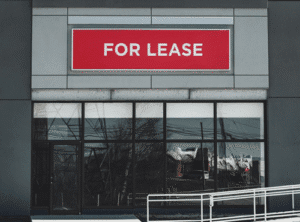
Make Good Obligations
A make good clause sets out what you must do at the end of the lease.
You may be required to:
- Remove shelving and partitions.
- Repaint walls.
- Replace flooring.
- Return the premises to its original condition.
For a cafe or medical practice, making good costs can be very high.
Some landlords insist on full reinstatement, even if the fit-out improved the premises. A conveyancer will explain your obligations and may suggest negotiating limits.
Fit Out and Alterations
If you plan to renovate or install equipment, the lease must allow it.
The conveyancer will check:
- Whether landlord consent is required.
- Whether consent can be unreasonably withheld.
- Who owns the fit-out.
- Whether approvals from the council are required.
Without clear rights, your business operations could be delayed.
Security and Personal Guarantees
Most commercial leases require some form of security. This may be a bond, bank guarantee, personal guarantee or a cash security amount held in trust. The purpose of this security is to protect the landlord if the tenant fails to meet their obligations under the lease.
A personal guarantee is particularly important to understand. It means you, as the business owner or director, may be personally liable for unpaid rent or other costs if the business cannot pay. This can put your personal assets at risk.
In our experience, personal guarantees are often misunderstood, with many business owners not fully appreciating that they may remain personally liable even if the business structure changes or the lease is assigned.
Assignment and Subletting
If you decide to sell your business or relocate, you may want to assign the lease to a new tenant or sublet the premises. The lease will set out whether this is permitted and the conditions that apply.
Some landlords require detailed financial checks on the new tenant and may require you to pay their legal and administrative costs. There may also be strict time frames and formal procedures to follow. Understanding your exit options before signing the lease is essential, as they can affect your future flexibility.
Relocation Clauses
Some retail leases in Sydney include relocation clauses. These clauses allow the landlord to move your business to another part of the building in certain circumstances, such as redevelopment or reconfiguration of the centre.
Relocation can affect your customer visibility, foot traffic, overall business performance and the goodwill you have built in that specific location. It may also involve additional costs and disruption.
Renewal Options
Many commercial leases include renewal options that allow you to extend the lease for an additional term. These options usually come with strict conditions, including a specific time frame in which you must give written notice to the landlord.
If you miss the deadline or do not follow the required process, you may lose your right to renew the lease and continue trading from the premises. This can disrupt your business and force you to relocate unexpectedly.
Common Mistakes Tenants Make
Many tenants make the same mistakes when signing a lease:
- Signing quickly without advice.
- Focusing only on rent and ignoring outgoings.
- Accepting broad make good clauses.
- Agreeing to personal guarantees without understanding risk.
- Assuming lease terms cannot be negotiated.
- Missing renewal optiondeadlines.
A commercial lease is negotiable before signing, but difficult to change afterwards.
Can You Negotiate a Commercial Lease in Sydney?
Yes, in many cases you can.
Landlords often expect some negotiation before the lease is finalised.
Common negotiable terms include:
- Rent-free periods.
- Caps on outgoings.
- Limits on make good obligations.
- Narrowing repair responsibilities.
- Fit out contributions.
- Removal of relocation clauses.
Once the lease is signed, your ability to negotiate reduces significantly.
What Happens If You Break the Lease Early?
Breaking a commercial lease early can be expensive.
You may be responsible for:
- Ongoing rent.
- Advertising for a new tenant.
- Agent fees.
- Legal costs.
- Loss suffered by the landlord.
Some leases contain break clauses, but they are not standard.
Should the Lease Be Registered?
In New South Wales, longer-term commercial leases can be registered on the property title through NSW Land Registry Services. When a lease is registered, it becomes a recorded interest on the title. This means anyone who searches the property can see that your lease is in place.
Registration can provide extra protection if the property is sold during your lease term. A registered lease generally continues to bind the new owner, giving you greater security and certainty. Whether registration is appropriate depends on the length of your lease and your business circumstances.
Why Professional Advice Is Worth It
A commercial lease can significantly affect your business finances and long-term stability. It often includes more than just rent, with clauses covering outgoings, repairs, insurance, personal guarantees and obligations that may continue for years. Understanding these terms upfront is essential before you commit.
The cost of reviewing the lease is small compared to the risk of signing an unfavourable agreement. Professional advice gives you clarity, helps you negotiate key terms, protects your business interests and reduces the risk of costly disputes later.
At Strictly Conveyancing, we help business owners review commercial leases, explain the terms in plain English, identify key risks before you sign, and guide you on which clauses can be negotiated. Speak with our team to make sure your lease supports your business from the start.
