
For Buyers
Pre-Purchase Phase
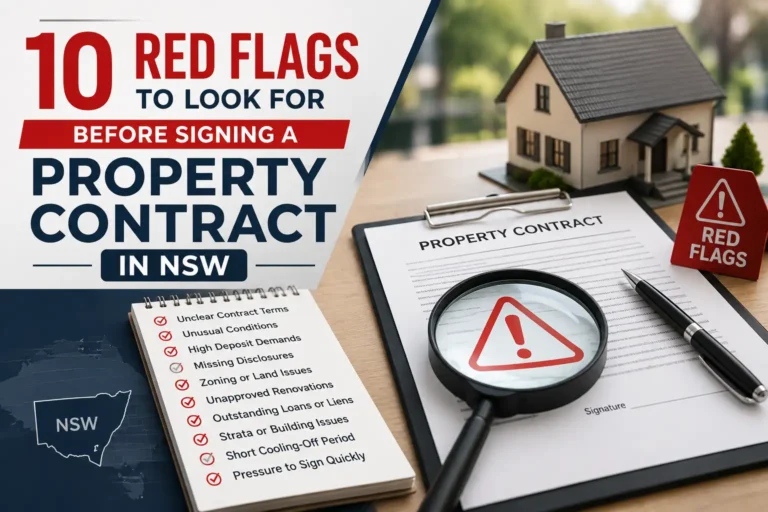
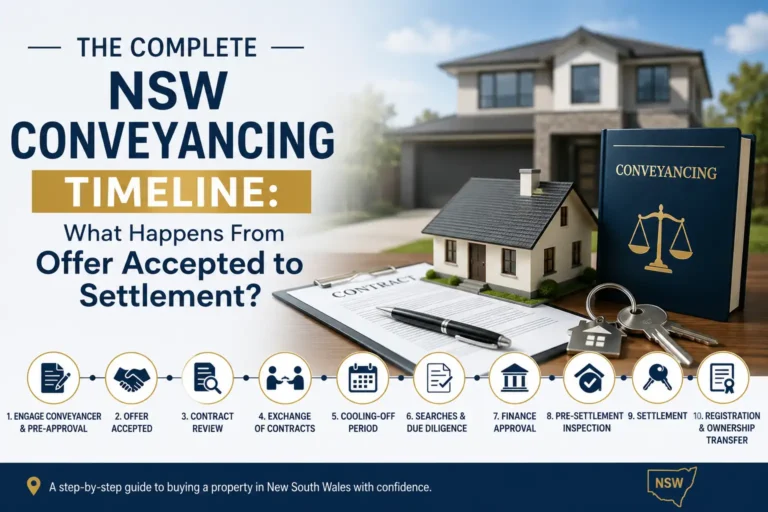
The conveyancing process for buyers usually begins before you commit to the purchase. Your conveyancer will carefully review the Contract of Sale, which outlines the terms of the agreement, the purchase price, what is included with the property and the responsibilities of both parties. They will also check and review all the legally required disclosure documents are attached to the contract and inform you of anything that you need to know, such as the zoning, hazards (bushfire, flooding), council planning (road widening, acquisition) special conditions and the location of the sewer line.
During this phase, your conveyancer will also explain important legal aspects that may affect how the property can be used. These include:

- Zoning certificates – which show how the land is zoned and whether it can be used for certain purposes.
- Easements – which may give other parties rights over part of the property, such as shared access.
- Caveats or restrictions – which may indicate a third party has a claim or interest in the property.
This is also the time to negotiate any specific terms. You may request a longer cooling-off period, reduced deposit, add special conditions to the contract or seek amendments to the existing terms. This early stage is critical for protecting your legal position and ensuring there are no surprises later.
Exchange Phase
Once both parties agree to the terms, the contracts are signed and exchanged. At this point, the buyer typically pays a deposit, which is usually 10 percent of the purchase price. The exchange of contracts makes the agreement legally binding.
In most private sales, buyers have a five-business-day cooling-off period after the exchange. This allows you time to reconsider the purchase or conduct final checks, such as pest, building and strata reports as well as obtaining your unconditional loan approval. If you decide to withdraw during this period for any reason, you can do so by having your conveyancer prepare and serve a Rescission Notice to the vendor. However, a cancellation fee equal to 0.25% of the purchase price plus any additional monies that you have spent on your due diligence will apply.
Pre-Settlement Phase
In the weeks leading up to settlement, your conveyancer will work in the background ordering the relevant searches, preparing documents and communicating with all parties including your bank in readiness for settlement.
At the same time, your conveyancer works with your bank or lender to ensure your loan is ready for settlement. About a week before the settlement date, your conveyancer will prepare the settlement figures which outlines all final figures, including adjustments for council, water and strata levies as well as any other fees and charges relating to the purchaser such as legal fees, NSW Land Registry Services fees and Stamp Duty.
Most settlements in New South Wales occur six weeks after exchange, depending on what is agreed in the contract. Your conveyancer ensures that all conditions are met and that you are legally and financially ready to take ownership of the property on the agreed date.
Settlement Phase
Before settlement takes place, please ensure that you contact the real estate agent to arrange a final inspection of the property, under a standard contract you are entitled to an inspection within 3 days of settlement. The purpose of the inspection is to confirm that the property is in the same or similar condition as it was at the time of signing the contract.
Settlement is the final step in the property purchase process. On settlement day, your conveyancer coordinates with the seller’s legal representative, your bank or lender and other parties involved to complete the transaction.
Using the PEXA platform, your conveyancer will:
- Confirm the correct amount of funds is transferred between all parties
- Ensure the seller’s mortgage is properly discharged
- Manage the signing and lodging of all legal documents
- Confirm that all financial adjustments, such as council rates, water usage and strata levies, are included in the final settlement statement
Once these steps are complete, the funds are released and legal documents are submitted to NSW Land Registry Services. This lodgement updates the property title to your name and makes you the official owner.
If any last-minute issues arise, such as a caveat being registered, a loan delay or a missing signature, your conveyancer will identify the problem quickly, explain your options and help you decide on the best course of action.
For Sellers
Preparation Phase
Before you can list a property for sale in New South Wales, you must have a legally compliant Contract for Sale. This is a legal requirement and advertising or showing your property without one is not permitted.
Your conveyancer or solicitor will prepare this contract, ensuring it includes all mandatory documents. These typically include:

- A title search confirming your legal ownership
- A Section 10.7 zoning certificate issued by the local council
- A drainage diagram showing sewer connections
- Copies of any registered dealings, easements, or planning restrictions affecting the property
These documents provide transparency to potential buyers and reduce the risk of delays later in the sale.
Sellers must also comply with vendor disclosure obligations. You are legally required to disclose any known defects, unapproved structures, disputes or other issues that could impact the property’s value or future use. Failing to disclose these matters may give the buyer the right to cancel the contract or take legal action. Being upfront about any known issues helps prevent complications and builds trust during negotiations.
Negotiation
Once the property is on the market, buyers may request changes to the contract before committing to the purchase. Common requests include adjusting the settlement date, adding or removing special conditions, reduced deposits or clarifying inclusions like appliances or fixtures.
Your conveyancer will review these requests on your behalf, explain any risks or consequences and assist you in preparing a response. Prompt, informed responses help keep the transaction on track.
If you are selling by auction, it is important to note that once the property is declared sold, the contract becomes immediately binding. There is no cooling-off period and no opportunity for further negotiation, so your contract must be complete and accurate from the outset.
Throughout this stage, your real estate agent manages buyer interest, while your conveyancer ensures all legal requirements are met and that any amendments to the contract are properly documented.
Settlement Phase
If there is an existing mortgage on the property, you will need to complete a discharge authority form and submit it to your lender well in advance of settlement. Your conveyancer will then coordinate with the bank to ensure the loan is discharged on time and the property is ready for transfer.
Settlement is completed electronically through PEXA, the digital platform used across New South Wales for property settlements. Your conveyancer manages this process, ensuring that all documents are signed, funds are transferred and legal ownership is updated with NSW Land Registry Services.
It is important that the property remains in the same condition as it was at the time of exchange. All agreed-upon inclusions must be present and any damage or missing items may lead to disputes during the final inspection. Delays or unresolved issues can result in penalties or postponement of settlement.
Once the funds are received and the transfer is lodged, the buyer becomes the legal owner and your obligations under the contract are complete.
Conclusion
Buying or selling property in New South Wales is a significant legal and financial transaction. Whether you are a first home buyer, an experienced investor or managing the sale of a family property, the conveyancing process plays a crucial role in protecting your interests and ensuring a smooth transfer of ownership.
From the initial contract review through to settlement and registration, each stage involves strict legal requirements, tight deadlines and detailed documentation. A licensed conveyancer ensures that everything is done correctly, handling searches, reviewing contracts, managing negotiations and coordinating financial settlement. Their expertise helps you avoid costly mistakes, legal disputes and delays that can occur when the process is not managed properly.
NSW also presents specific challenges that make professional conveyancing essential. Strata title properties, easements, zoning restrictions and vendor disclosure obligations all add layers of complexity. Your conveyancer ensures that these details are understood and addressed early, so you can proceed with clarity and confidence.
Whether you are buying or selling, early involvement of a conveyancer provides certainty, saves time and supports a legally sound outcome. They work alongside all parties in a property transaction including the real estate agent, lender and legal representatives to keep the process on track and protect your legal rights every step of the way.
At Strictly Conveyancing, our experienced team is here to help you navigate every stage of the property transaction with confidence. If you are planning to buy or sell or simply have questions about how conveyancing works in NSW, we encourage you to get in touch.
For clear advice and support at every stage, contact our conveyancing team today.
Frequently Asked Questions
1. What does a conveyancer do for buyers in NSW?
A conveyancer reviews the Contract of Sale, checks zoning, easements, and restrictions, advises on risks, and ensures all disclosure documents are complete. They guide buyers through exchange, loan preparation, and settlement to make the purchase legally sound.
2. How long does conveyancing take in New South Wales?
Most property settlements in NSW take around six weeks from contract exchange. However, the exact timeframe depends on the terms of the contract, loan approval, and whether any special conditions or delays arise.
3. Do sellers need a contract before listing a property in NSW?
Yes. NSW law requires sellers to have a legally compliant Contract for Sale before advertising or showing a property. The contract must include documents such as a title search, zoning certificate, drainage diagram, and disclosure of easements or restrictions.
4. Is there a cooling-off period when buying property in NSW?
For most private sales, buyers have a five-business-day cooling-off period after contracts are exchanged. During this time, they can withdraw by serving a Rescission Notice, but a 0.25% fee of the purchase price applies. Auctions do not have a cooling-off period.
5. Why should I use a conveyancer instead of handling it myself?
Conveyancing involves strict legal and financial requirements. A licensed conveyancer ensures contracts are correct, deadlines are met, loans and settlement run smoothly, and legal rights are protected. This reduces the risk of costly disputes or delays.