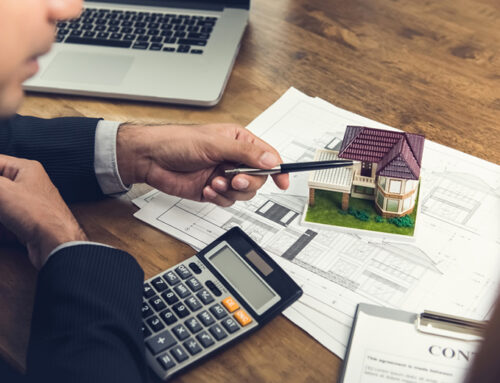


Buying a Property is significant life decision because you will be putting your money in essentially brick and mortar. Consequently, it may be complex and you may find yourself with a property that is not worth your time.
The best way to avoid making mistakes is to have the necessary information on a few crucial topics. This essay will assist you in achieving that goal.
Mistakes in Conveyancing matters and How to Avoid Them
Lack of Knowledge about the Local Market
Depending on the sort of property that you are buying, the local market and its characteristics are an important element of the process. For example, if you want to buy a property, you would be making a significant mistake. If you did not research the local market demand for rentals in that region.
This is a common error made by first-time homebuyers, but it can happen to anybody. There might also be a lack of understanding of the normal amount to pay in agent commissions, such as how much a real estate agent commission in Sydney costs.
Always research recent sales, median prices, and rental yields in the suburb you are buying. Look at council development plans to see if infrastructure projects (like new transport links) will increase value. For example, in suburbs such as Parramatta or Rydalmere in NSW, market trends can shift quickly due to growth and demand.
Underestimating the Amount to be paid in Associated Costs
This may be an expensive blunder (pun intended). The expenditures of buying a property are vast and varied, and they will usually need some type of paperwork to keep track of them. It’s all too easy to underestimate the entire amount of not only the fees associated with the purchase, but also the costs associated with homeownership.
When buying a property, make a list of all the potential charges you will have to pay and how much they’ll cost. Do you conduct study in this area in order to be prepared for any eventuality?
Common costs include:
Stamp duty
Conveyancing and legal fees
Building and pest inspections
Lender’s mortgage insurance (if you borrow over 80%)
Moving expenses
Council rates and strata fees
As a rule of thumb, buyers should budget 5–7% of the purchase price for these additional costs.
Buying Property out of Desperation

When you consider all of the emotions and considerations that go into buying a property, it can be rather stressful. This can be complicated by the characteristics of a seller’s market. What the property you desire commands exorbitant prices you did not expect.
The most common scenario is a frantic purchase, in which you buy the cheapest house you can afford. This is something you will grow to regret for many years.
Instead, take a break from searching and figure out what you want to accomplish next. This may be inconvenient at first, but it is far preferable to wasting your money on a place that you will despise in a few months.
Define your “must-have” features (e.g. location, number of bedrooms, parking) and separate them from “nice-to-have” features. This prevents you from rushing into a poor choice out of fear of missing out. In Sydney’s competitive market, patience often pays off.
Poor Property Inspection
When buying a property, the process of inspection is very important. It is a method of determining whether a certain property is worth your time and money. It is commonly known that homes can undergo ‘plastic surgery,’ particularly. In order to evade defect identification when prospective buyers arrive. If you make a mistake here, you will end up with a faulty property that will cost you hundreds, if not thousands, of dollars to maintain.
This is why it is essential to hire a professional inspector and discuss the findings of the inspection with them in order to determine whether the property is a good investment.
Common issues include termite damage, rising damp, plumbing leaks, foundation cracks, and outdated electrical wiring. A professional inspection report not only protects you but can also be used as leverage to renegotiate the purchase price or request repairs before settlement.
Not Understanding the Contract of Sale
The Contract of Sale is a legally binding document full of conditions and obligations. Many buyers overlook important clauses such as cooling-off periods, settlement dates, and special conditions. Without legal advice, you may unknowingly agree to terms that disadvantage you. Always have a conveyancer review your contract before signing.
Skipping Loan Pre-Approval or Overstretching Budget
Some buyers begin house hunting before securing loan pre-approval. This can cause disappointment if you make an offer but your finance is declined. Others borrow the maximum amount possible, leaving no buffer for interest rate increases or emergencies. The smarter option is to obtain pre-approval early and buy within your comfort zone.
Conclusion
If you commit one of these blunders, you will be sorry, which is why we have placed them on our list. It is, however, not an exhaustive list. Look for more common blunders to avoid.
This will greatly improve your chances of getting good value for your money. Which is the whole objective of purchasing a home.
With the right preparation, realistic budgeting, and professional support, you can avoid these mistakes and purchase with confidence. A conveyancer can guide you through the process and protect your interests every step of the way.
FAQs About Buying Property in Australia
1. What is the most common mistake first-home buyers make?
Not budgeting for additional costs such as stamp duty, inspections, and conveyancing fees.
2. Do I really need a conveyancer in NSW?
Yes. A conveyancer will review your contract, explain your rights, and handle the legal transfer to ensure everything is in order.
3. Can I back out of a contract once signed?
In NSW, most contracts include a 5-business-day cooling-off period. However, you may forfeit a small portion of your deposit. Note: auctions usually have no cooling-off period.
4. How much extra should I budget besides the purchase price?
At least 5–7% of the property value for fees, inspections, and moving costs.
5. Is it better to buy a new or existing property?
New builds often have fewer immediate maintenance costs but may come at a higher price. Older properties can be more affordable but may require repairs.